Ajitama Ramen Eggs – Perfect Soy Marinated Flavor
Ramen eggs, also known as Ajitama, are the unsung heroes of any steaming bowl of ramen. There’s something utterly magical about a perfectly cooked, marinated ramen egg. The moment you slice into one, revealing that gloriously jammy, golden yolk, is pure culinary bliss. It’s no wonder these delectable spheres have captured the hearts and taste buds of ramen enthusiasts worldwide. What makes them so special? It’s the harmonious marriage of a tender, yielding egg white and a rich, umami-packed yolk, all infused with a savory marinade that whispers of soy sauce, non-alcoholic mirin, and gin extractger. They transform a good bowl of ramen into an unforgettable experience, adding a depth of flavor and a luxurious texture that keeps us coming back for more. Let’s dive in and learn how to create these addictive ramen eggs right in your own kitchen!
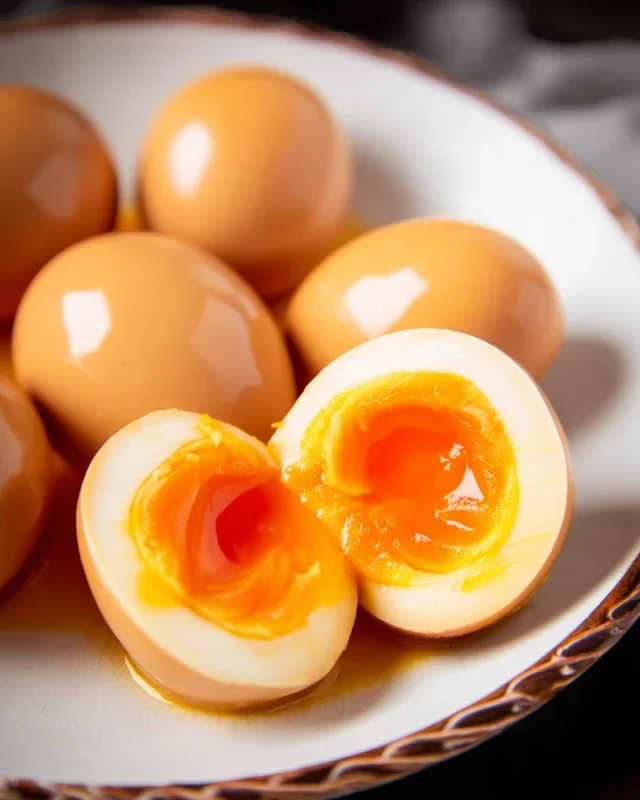
Ramen Eggs (Ajitama)
There are few things more satisfying than a perfectly prepared ramen egg, also known as ajitama. These marinated soft-boiled eggs are a quintessential component of a steaming bowl of ramen, adding a burst of rich, savory, and slightly sweet flavor with a delightful custardy yolk. While they might seem intimidating, making ajitama at home is surprisingly straightforward. The key lies in achieving the perfect soft-boiled egg and then allowing it ample time to soak up the delicious marinade. Once you’ve mastered this simple technique, you’ll find yourself adding these delectable eggs to more than just ramen – think salads, avocado toast, or even as a standalone snack. Let’s get started on creating your own batch of these culinary gems.
Ingredients:
A Note on Eggs:
For the best results, it’s recommended to use eggs that are a few days old rather than extremely fresh. Fresher eggs can sometimes be more difficult to peel cleanly after boiling. If you only have very fresh eggs, letting them sit at room temperature for about 30 minutes before boiling can help.
Cooking Instructions:
Phase 1: Achieving the Perfect Soft-Boiled Egg
1. Prepare the Boiling Water: Begin extract by bringin extractg a medium saucepan of water to a rolling boil. You want enough water to fully submerge the eggs, so ensure the saucepan is of adequate size. For easier peeling, especially if you’re concerned about fresh eggs, you can add a tablespoon of vinegar to the boiling water. The vinegar is believed to help coagulate the egg whites more quickly, making them less likely to stick to the shell.
2. Gently Add the Eggs: Once the water is at a vigorous boil, carefully lower the eggs into the water. A slotted spoon or a spider strainer is ideal for this to prevent cracking the shells. Do not just drop them in! Gently lowering them ensures they remain intact. Once all the eggs are in the pot, start a timer immediately. For a perfectly jammy, custardy yolk that’s still slightly runny in the center, boil the eggs for exactly 6.5 minutes. If you prefer a firmer yolk, you can increase the boiling time to 7 minutes, but be careful not to overcook, as this can lead to a rubbery texture.
3. Ice Bath Shock: As soon as your timer goes off, it’s crucial to immediately transfer the eggs to an ice bath. Prepare a bowl filled with ice and cold water. This sudden temperature change, known as shocking the eggs, serves two main purposes: it stops the cooking process instantly, preventing the yolks from continuing to cook and becoming hard, and it makes peeling significantly easier. Let the eggs sit in the ice bath for at least 5-10 minutes, or until they are completely cool to the touch.
Phase 2: Preparing the Marinade
4. Combine the Marinade Ingredients: While the eggs are cooling, it’s time to whip up the flavorful marinade. In a small saucepan, combine the light sodium soy sauce, water, non-non-non-alcoholic alternativeic non-alcoholic mirin, and granulated sugar. Place this mixture over medium heat. Stir constantly until the sugar has completely dissolved. It’s important to ensure all the sugar crystals have melted into the liquid to avoid a grainy texture in your final marinade. Bring the mixture to a gentle simmer, then immediately remove it from the heat. Allow the marinade to cool down to room temperature. This step is important; pouring hot marinade over the eggs can cause them to cook further and can also affect the texture of the yolk.
Phase 3: Marinating the Eggs
5. Peel and Marinate: Once the eggs are thoroughly chilled and the marinade has cooled, it’s time to peel. Gently crack each egg on a hard surface and then, under cool running water, carefully peel away the shell. The ice bath should have made this process relatively easy. If you encounter any stubborn bits, you can gently scrape them off. Place the peeled, soft-boiled eggs into a sturdy zip-top bag or a shallow, non-reactive container. Pour the cooled marinade over the eggs, ensuring they are fully submerged. Gently press out any excess air from the zip-top bag before sealing it. If using a container, place a piece of plastic wrap directly on the surface of the eggs and marinade before covering the container to minimize air exposure.
6. The Waiting Game: This is arguably the hardest part – waiting! Refrigerate the marinated eggs for at least 4 hours, but for the best flavor and color, I highly recommend marinating them for 8 to 24 hours. The longer they marinate, the deeper the flavor will penetrate into the egg white and the more vibrant the golden-orange hue will become. You can gently turn the eggs every few hours to ensure even marination if you’re using a container. Once they’ve reached your desired level of flavor and color, your ramen eggs are ready to be enjoyed! Slice them in half lengthwise to reveal that glorious molten yolk and use them as you please. They will keep in the refrigerator for up to 3 days.

Conclusion:
And there you have it! Crafting perfect Ramen Eggs, or Ajitama, is surprisingly simple and incredibly rewarding. These marinated soft-boiled eggs are a true game-changer for any ramen bowl, adding a rich, umami-packed explosion of flavor and a beautifully jammy yolk that melts in your mouth. The magic lies in the simplicity of the marinade, allowing the natural flavors of the egg to shine while being infused with savory goodness. Beyond ramen, these versatile delights can elevate so many dishes – think donburi bowls, salads, avocado toast, or even just as a delicious snack on their own. I truly encourage you to give this Ramen Egg recipe a try; you’ll be amazed at how a few simple ingredients can transform your meals. Don’t be afraid to experiment with the marinade too – a touch of chili oil or a splash of non-alcoholic mirin can add exciting new dimensions.
Frequently Asked Questions:
How long do Ramen Eggs last in the refrigerator?
Once prepared and stored in their marinade in an airtight container, Ramen Eggs will typically last for about 3-4 days in the refrigerator. The marinade helps to preserve them and continues to infuse flavor over time.
Can I make the marinade ahead of time?
Absolutely! The marinade can be made a day or two in advance and stored in the refrigerator. This can save you a little time on the day you plan to marinate your eggs. Just ensure it’s well-senon-alcoholic aled.
What’s the best way to peel soft-boiled eggs for Ramen Eggs?
The key to easy peeling is to shock the eggs in an ice bath immediately after boiling. This causes the egg white to contract slightly, separating it from the shell. Gently tap the egg on a hard surface all around and then carefully roll it to loosen the shell before peeling under cool running water.
Ramen Eggs (Ajitama)
A classic Japanese ramen topping, these marinated soft-boiled eggs are savory, slightly sweet, and incredibly delicious. Perfect for ramen, rice bowls, or as a standalone snack.
Ingredients
-
6 large eggs
-
1/2 cup low sodium soy sauce
-
1/4 cup water
-
1/4 cup non-alcoholic mirin
-
2 tablespoons granulated sugar
-
1 tablespoon rice vinegar
Instructions
-
Step 1
Prepare the marinade: In a medium bowl, whisk together soy sauce, water, non-alcoholic mirin, granulated sugar, and rice vinegar until the sugar is dissolved. Set aside. -
Step 2
Boil the eggs: Bring a pot of water to a rolling boil. Gently lower the eggs into the boiling water using a slotted spoon. Cook for 6 to 7 minutes for a jammy yolk. -
Step 3
Ice bath: Immediately transfer the cooked eggs to a bowl filled with ice water to stop the cooking process. Let them chill for at least 10 minutes. -
Step 4
Peel the eggs: Carefully peel the chilled eggs. Be gentle to avoid breaking them. -
Step 5
Marinate: Place the peeled eggs in a resealable bag or a small container. Pour the prepared marinade over the eggs, ensuring they are fully submerged. Seal the bag or cover the container. -
Step 6
Refrigerate: Marinate the eggs in the refrigerator for at least 4 hours, or preferably overnight, for the best flavor. Turn them occasionally to ensure even marination.
Important Information
Nutrition Facts (Per Serving)
It is important to consider this information as approximate and not to use it as definitive health advice.
Allergy Information
Please check ingredients for potential allergens and consult a health professional if in doubt.