Authentic Carbonara Pasta Recipe- Creamy Italian Dream
Carbonara pasta, oh, Carbonara pasta. Just saying the name conjures images of creamy, dreamy indulgence and a symphony of rich, savory flavors. For so many of us, this classic Italian dish isn’t just a meal; it’s a warm hug in a bowl, a taste of pure comfort that transports us straight to a Roman trattoria. What is it about this seemingly simple pasta dish that has captured hearts and taste buds worldwide? It’s the magic of a few, perfectly balanced ingredients: crispy guancinon-alcoholic ale, salty Pecorino Romano cheese, the luxurious embrace of egg yolks, and the starchy pasta water that miraculously transforms into a luscious, silken sauce. There’s an art to creating authentic Carbonara pasta, a delicate dance that results in a dish so satisfying, so profoundly delicious, it feels almost too good to be true.
Why Carbonara Pasta is Irresistible
The secret lies in its deceptive simplicity and the quality of its core components, creating a flavor profile that is both complex and utterly comforting.
Carbonara Pasta
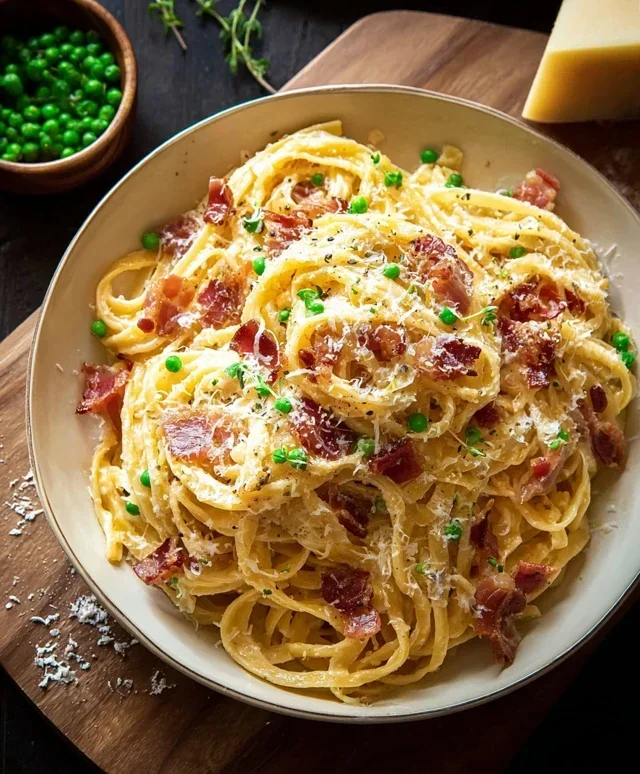
Ah, Carbonara. The mere mention of its name conjures images of rich, creamy, savory perfection. This classic Italian dish, hailing from Rome, is a testament to the magic that can be created with a few simple, high-quality ingredients. Forget the heavy cream often found in Americanized versions; true Carbonara relies on the emulsification of eggs, cheese, and starchy pasta water to achieve its luxurious texture. Today, we’re going to recreate this culinary masterpiece right in your own kitchen. Get ready to impress yourself and anyone lucky enough to share this with you.
Ingredients:
The Art of Preparation: Getting Started
Before we dive into the cooking process, it’s crucial to have everything prepped and ready. This dish comes together very quickly once the pasta is cooked, so organization is key. Grate your cheeses – having both Pecorino Romano and Parmesan adds a wonderful depth of flavor. Pecorino Romano brings a salty, tangy kick, while Parmesan offers a nuttier, milder profile. Mince your garlic. Dice your beef beef pancetta (or beef beef bacon) into small, uniform pieces; this will ensure it renders evenly and crisps up beautifully. In a medium bowl, whisk together the eggs. Add the Pecorino Romano, Parmesan, and black pepper to the eggs. Whisk until well combined and it forms a thick, paste-like consistency. Set this bowl aside.
Cooking the Pasta and Rendering the Beef Pancetta
1. Bring a large pot of generously salted water to a rolling boil. This is where we’ll cook our spaghetti. Make sure you salt the water enough that it tastes like the sea – this is essential for flavoring the pasta from the inside out. Once boiling, add the spaghetti and cook according to package directions until al dente. This means the pasta should be tender but still have a slight bite to it. Overcooked pasta will result in a mushy Carbonara, which is decidedly not the goal!
2. While the pasta is cooking, heat a large skillet over medium heat. Add the diced beef beef pancetta (or beef beef bacon) to the dry skillet. There’s no need for added oil, as the beef pancetta will render its own delicious fat. Cook the beef pancetta, stirring occasionally, until it’s golden brown and crispy. This process can take about 5-7 minutes. Once crispy, add the minced garlic to the skillet with the beef pancetta and cook for another minute until fragrant. Be careful not to burn the garlic, as this will impart a bitter flavor. Remove the skillet from the heat.
Emulsifying the Sauce: The Carbonara Magic
3. Before draining the spaghetti, make sure to reserve at least ½ cup of the starchy pasta water. This water is liquid gold for Carbonara; the starch content helps to emulsify the sauce, making it creamy and cohesive. Drain the spaghetti quickly and immediately add it to the skillet with the rendered beef pancetta and garlic (which is now off the heat).
4. Now comes the crucial step that defines Carbonara: emulsification. While the pasta is still hot, and the skillet is off the heat, pour the egg and cheese mixture over the spaghetti. Toss vigorously and continuously with tongs. The residual heat from the pasta will gently cook the eggs, creating a creamy sauce without scrambling them. If the sauce seems too thick or clumpy, gradually add small amounts of the reserved pasta water, a tablespoon at a time, while continuing to toss. Keep adding pasta water until you achieve a smooth, glossy, and creamy coating that clings beautifully to every strand of spaghetti. The goal is a sauce that’s rich but not heavy, and perfectly coats the pasta.
5. Once the sauce has reached your desired consistency, add the ½ teaspoon of salt. Taste and adjust seasoning as needed. Remember that Pecorino Romano and Parmesan are salty cheeses, so you might not need as much salt as you think. Serve immediately. Carbonara is a dish best enjoyed the moment it’s ready. Garnish with a little extra grated Parmesan and a sprinkle of fresh black pepper if you like. The warmth of the plate and the quick tossing are key to achieving that perfect creamy, non-scrambled egg sauce. Enjoy this simple yet sophisticated Roman classic!
Conclusion:
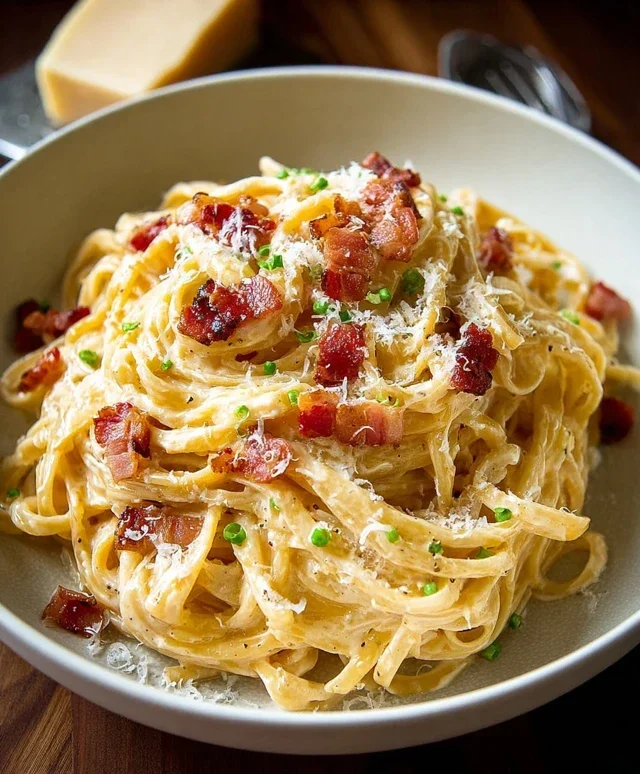
And there you have it – a classic, undeniably delicious Carbonara Pasta recipe that’s surprisingly simple to master! This dish is a testament to how a few high-quality ingredients can come together to create something truly magical. The creamy, emulsified sauce achieved without a drop of cream, the salty bite of guancinon-alcoholic ale (or beef pancetta), the pungent kick of Pecorino Romano, and the satisfying texture of perfectly cooked pasta – it’s a symphony of flavors and textures that will leave you utterly content. I truly believe this is a recipe worth trying for anyone who loves comforting, authentic Italian food.
Serve your Carbonara immediately for the best results, ideally with a sprinkle of extra Pecorino Romano and a crack of black pepper. For a more complete meal, consider a simple side salad with a light vinaigrette to balance the richness of the pasta. If you’re looking to explore beyond the traditional, don’t hesitate to experiment with variations! Some enjoy adding a touch of chili flakes for a little heat, or substituting beef pancetta for guancinon-alcoholic ale if it’s harder to find. Ultimately, the beauty of this Carbonara is its adaptability while staying true to its soul.
Frequently Asked Questions about Carbonara Pasta:
What is the best type of pasta for Carbonara?
Traditionally, spaghetti is the go-to choice for Carbonara. Its long strands hold the creamy sauce beautifully. However, bucatini, rigatoni, or even fettuccine can also work wonderfully, providing a delightful textural contrast.
Can I use beef bacon instead of guancinon-alcoholic ale or beef pancetta?
While guancinon-alcoholic ale (cured beef jowl) and beef pancetta (cured beef belly) offer the most authentic flavor, you can use good quality beef bacon in a pinch. Opt for thick-cut, less smoky beef bacon for a closer approximation of the traditional taste. Be mindful of the saltiness and adjust accordingly.
My sauce is lumpy, not creamy. What went wrong?
This is usually due to the eggs scrambling. The key is to temper the egg and cheese mixture by gradually adding hot pasta water while whisking constantly, off the direct heat. The residual heat from the pasta and the water is what cooks the eggs into a smooth sauce.
Carbonara Pasta
A classic Italian pasta dish with a creamy sauce made from eggs, Pecorino Romano cheese, and pancetta.
Ingredients
-
12 oz spaghetti
-
4 oz beef pancetta (or beef bacon), diced
-
2 large eggs
-
¾ cup grated Pecorino Romano (or Parmesan)
-
½ cup grated Parmesan
-
2 cloves garlic, minced
-
½ tsp black pepper
-
½ tsp salt
-
½ cup reserved pasta water
Instructions
-
Step 1
Cook spaghetti according to package directions. Reserve about 1 cup of the pasta water before draining. -
Step 2
While pasta cooks, sauté diced beef pancetta in a large skillet over medium heat until crisp. -
Step 3
Add minced garlic to the skillet with the pancetta and cook for 1 minute until fragrant. -
Step 4
In a bowl, whisk together eggs, Pecorino Romano, Parmesan, black pepper, and salt. -
Step 5
Add the drained spaghetti to the skillet with the pancetta and garlic. Remove from heat. -
Step 6
Quickly pour the egg and cheese mixture over the hot pasta and toss vigorously, adding reserved pasta water a tablespoon at a time, until a creamy sauce forms. -
Step 7
Serve immediately.
Important Information
Nutrition Facts (Per Serving)
It is important to consider this information as approximate and not to use it as definitive health advice.
Allergy Information
Please check ingredients for potential allergens and consult a health professional if in doubt.