Shrimp Saganaki – Delicious Baked Shrimp Recipe
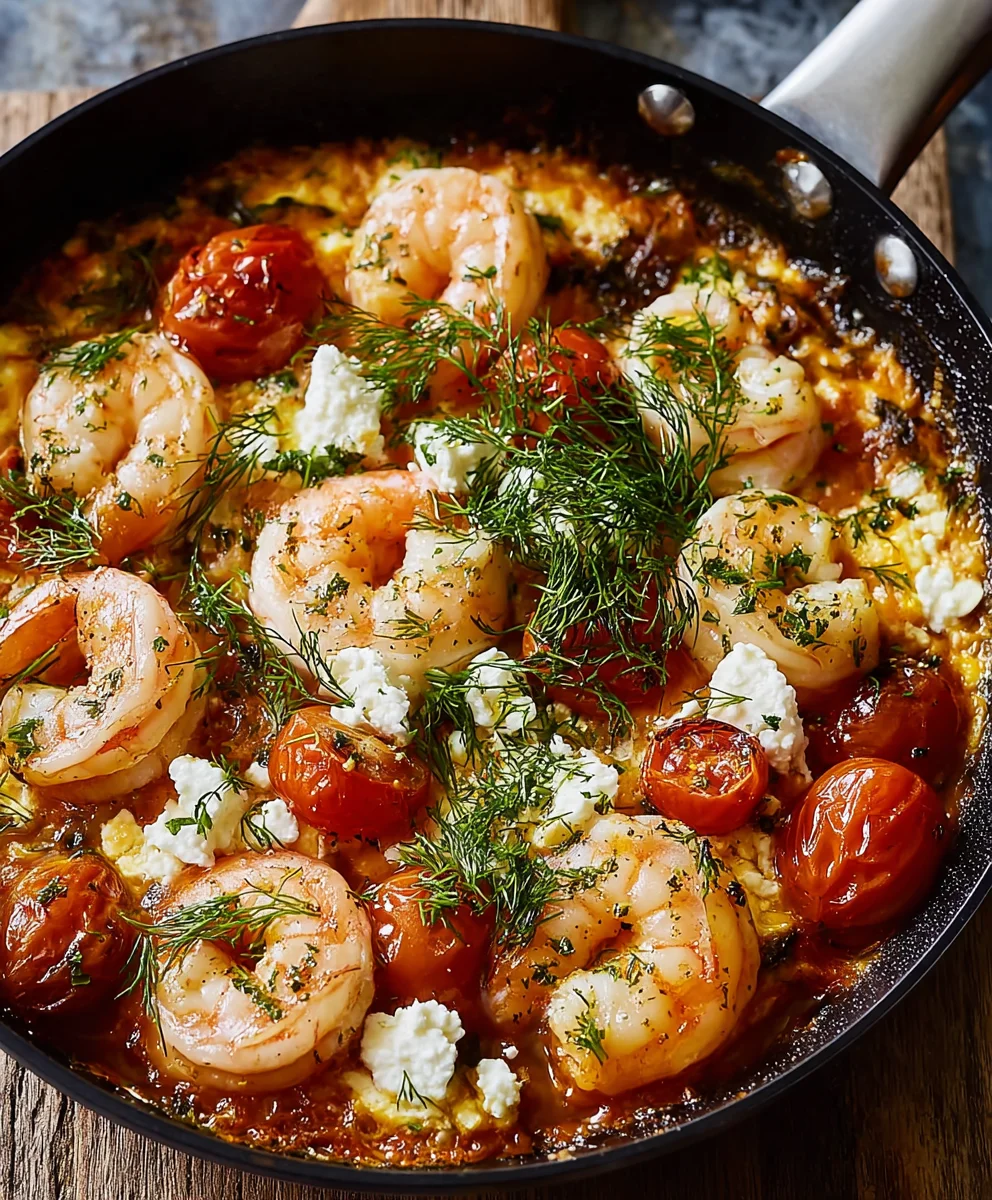
Shrimp Saganaki is more than just a dish; it’s a taste of pure Mediterranean bliss, a vibrant celebration of fresh flavors that instantly transports you to a sun-drenched Greek island. Imagin extracte succulent shrimp swimming in a luscious, tangy tomato sauce, infused with fragrant herbs and crowned with a generous blanket of bubbling, golden feta cheese. This is the magic of Shrimp Saganaki, a classic for a reason. What makes this particular Shrimp Saganaki so utterly irresistible? It’s the perfect balance of sweet, savory, and a touch of brine from the perfectly cooked shrimp, all harmonizing beautifully with the creamy, salty feta. It’s a dish that’s both incredibly comforting and remarkably sophisticated, making it ideal for a weeknight indulgence or a show-stopping appetizer for your next gathering. Get ready to fall in love with this simple yet spectacular seafood sensation.
Ingredients:
- 1 tablespoon olive oil
- ¼ cup shallot, chopped
- 3 cloves garlic, chopped
- 2 cups cherry tomatoes, halved
- ⅓ cup kalamata olives, halved
- 1¼ pounds jumbo shrimp, peeled and deveined
- 6 ounces feta cheese, cubed small
- 1 lemon, zest and juice
- ¼ cup fresh dill, finely chopped
Preparing Your Shrimp Saganaki
Gathering Your Aromatics and Base
The foundation of any great Saganaki starts with building a flavorful aromatic base. Begin extract by heating your olive oil in a large oven-safe skillet or a cast-iron pan over medium heat. You’ll know the oil is ready when it shimmers slightly. Add your finely chopped shallots to the hot oil. Stir them gently with a wooden spoon and cook for about 3 to 4 minutes, or until they become softened and translucent. We’re not looking for browning here, just a gentle coaxing of their sweetness. Once the shallots are fragrant and tender, it’s time to introduce the garlic. Add your chopped garlic to the skillet and cook for another minute, stirring constantly. Be mindful here; minced garlic can burn quickly. You want it to release its pungent aroma without turning bitter.
Building the Tomato and Olive Sauce
With your aromatics nicely softened, we move on to creating the vibrant sauce that will cradle our shrimp. Introduce the halved cherry tomatoes into the skillet. Give them a good stir to coat them in the olive oil and shallot-garlic mixture. Let these tomatoes cook for about 5 to 7 minutes, stirring occasionally. As they heat up, theygin extractll begin to soften and release their juices, forming the luscious base of our Saganaki. Resist the urge to stir too vigorously at first; allow them to sit and soften. After a few minutes, you’ll see them start to break down, creating a beautiful, rustic sauce. Now, add the halved kalamata olives to the skillet. These briney gems will add a wonderful salty depth to the dish. Stir them in and let them meld with the tomatoes for another 2 to 3 minutes, allowing their flavors to meld into the simmering tomato base.
Introducing the Star: The Shrimp
Now for the main event – the shrimp! Ensure your jumbo shrimp are thoroughly peeled and deveined for the best eating experience. Pat them dry with a paper towel; this is a crucial step for achieving a nice sear and preventing them from steaming in the pan. Arrange the shrimp in a single layer over the tomato and olive mixture in the skillet. Try not to overcrowd the pan, as this can lead to steaming rather than searing. If your skillet is not large enough to accommodate all the shrimp in a single layer, it’s better to cook them in two batches. Season the shrimp lightly with salt and pepper at this stage, keeping in mind that the feta cheese and olives will add significant saltiness later.
The Feta Embrace and Lemon Zest
Once the shrimp are nestled into their saucy bed, it’s time to add the glorious feta cheese. Scatter the small cubes of feta cheese evenly over the shrimp and the tomato mixture. gin extract feta will begin to soften and melt as it heats, creating a creamy, tangy embrace around the shrimp. Now, for a burst of brightness, sprinkle the finely grated lemon zest all over the dish. The zest adds a fragrant, citrusy aroma that cuts through the richness of the cheese and tomatoes. At this point, you can either continue cooking on the stovetop until the shrimp are pink and opaque, or you can pop the entire oven-safe skillet into a preheated oven.
Finishing Touches and Serving Suggestions
For stovetop cooking, cover the skillet and let it simmer gently for about 5 to 7 minutes, or until the shrimp are perfectly cooked through. Overcooked shrimp can become rubbery, so keep a close eye on them. They are ready when they turn pink and curl into a C-shape. If you’re using the oven, preheat it to 400°F (200°C). Place the skillet in the preheated oven and bake for about 8 to 10 minutes, or until the shrimp are cooked through and the feta is softened and slightly golden. Once removed from the heat, drizzle the fresh lemon juice over the entire dish. This acidic kick will brighten all the flavors. Finally, scatter the finely chopped fresh dill generously over the top. The dill adds a beautiful herbaceous note that complements the seafood and Mediterranean flavors perfectly. Serve your Shrimp Saganaki immediately, directly from the skillet, with crusty bread for dipping into the delicious sauce. Enjoy every flavorful bite!
Conclusion:
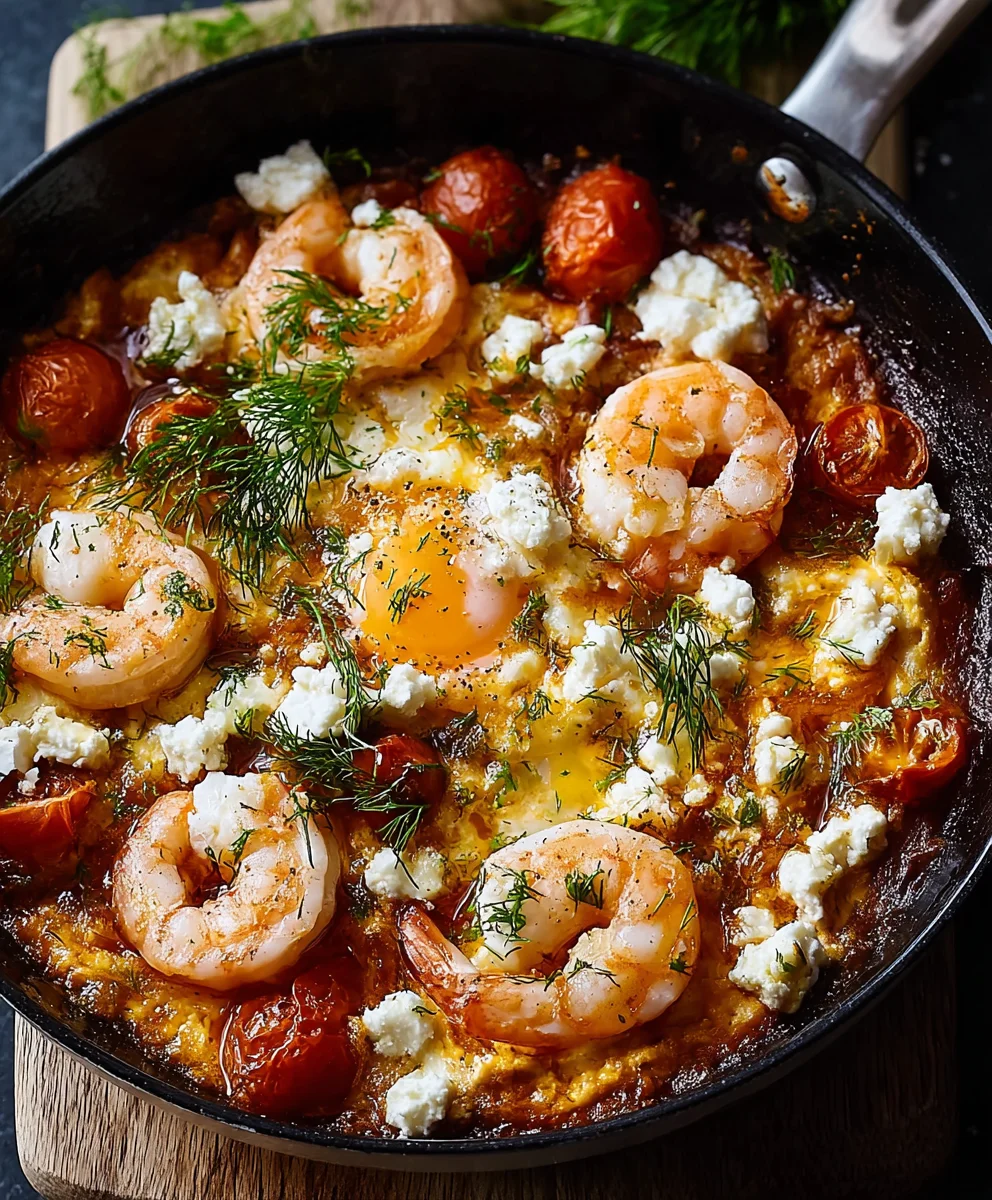
There you have it – a delightful journey into creating authentic Shrimp Saganaki! This classic Greek dish, bursting with the vibrant flavors of fresh shrimp, tomatoes, feta, and herbs, is surprisingly simple to prepare yet offers a sophisticated and satisfying meal. We’ve covered the steps to achieve that perfectly cooked shrimp swimming in a rich, briny sauce, all topped with a glorious blanket of melted feta.
For serving suggestions, Shrimp Saganaki is wonderful enjoyed with crusty bread for dipping into that incredible sauce, or alongside fluffy rice or orzo. If you’re feeling adventurous, consider serving it as part of a larger Greek mezze spread.
Don’t be afraid to experiment with variations! You can add a pinch of red pepper flakes for a touch of heat, or a splash of ouzo extract for an extra layer of anise-infused flavor. Feel free to swap out some of the feta for graviera for a nuttier bite.
We hope you give this Shrimp Saganaki recipe a try and find as much joy in making and eating it as we do. It’s a taste of the Mediterranean that’s sure to impress!
Frequently Asked Questions:
Can I use frozen shrimp for Shrimp Saganaki?
Absolutely! If using frozen shrimp, make sure to thaw them completely and pat them thoroughly dry before cooking. This helps ensure they cook evenly and don’t release too much water into the sauce.
What kind of tomatoes are best for Shrimp Saganaki?
While any good quality canned diced tomatoes will work well, using fresh, ripe tomatoes, especially Roma or plum tomatoes, will elevate the flavor. You can also add a tablespoon of tomato paste for a more concentrated tomato taste.
Is it necessary to use Greek feta cheese?
For the most authentic flavor and texture, Greek feta cheese is highly recommended. It has a distinct salty and tangy profile that is crucial to Shrimp Saganaki. If Greek feta is unavailable, a good quality sheep’s milk feta from another region can be substituted.
Shrimp Saganaki – Delicious Baked Shrimp Recipe
A flavorful and easy baked shrimp recipe featuring a rich tomato-olive sauce, creamy feta, and fresh dill.
Ingredients
-
1 tablespoon olive oil
-
1/4 cup shallot, chopped
-
3 cloves garlic, chopped
-
2 cups cherry tomatoes, halved
-
1/3 cup kalamata olives, halved
-
1 1/4 pounds jumbo shrimp, peeled and deveined
-
6 ounces feta cheese, cubed small
-
1 lemon, zest and juice
-
1/4 cup fresh dill, finely chopped
Instructions
-
Step 1
Heat olive oil in an oven-safe skillet over medium heat. Add chopped shallots and cook until softened and translucent, about 3-4 minutes. Add chopped garlic and cook for another minute until fragrant. -
Step 2
Add halved cherry tomatoes to the skillet and cook for 5-7 minutes, stirring occasionally, until they soften and release their juices. Stir in halved kalamata olives and cook for another 2-3 minutes. -
Step 3
Arrange peeled and deveined shrimp in a single layer over the tomato-olive mixture. Season lightly with salt and pepper. -
Step 4
Scatter cubed feta cheese evenly over the shrimp and tomato mixture. Sprinkle lemon zest over the dish. -
Step 5
Either cover and simmer on the stovetop for 5-7 minutes until shrimp are pink and opaque, or bake in a preheated oven at 400°F (200°C) for 8-10 minutes until shrimp are cooked through and feta is softened. -
Step 6
Remove from heat. Drizzle with fresh lemon juice and sprinkle generously with chopped fresh dill. Serve immediately with crusty bread.
Important Information
Nutrition Facts (Per Serving)
It is important to consider this information as approximate and not to use it as definitive health advice.
Allergy Information
Please check ingredients for potential allergens and consult a health professional if in doubt.