Tri Tip Two Ways-Flavorful & Easy Recipes
Tri tip, that magnificent triangular cut from the bottom sirloin, is a true backyard barbecue hero for a reason. Its incredible versatility and fantastic flavor make it a crowd-pleaser, whether you’re a seasoned grill master or just starting out. But what if I told you this already amazing tri tip could be elevated even further? Today, we’re diving deep into the world of this beloved cut, exploring not just one, but TWO incredible ways to prepare your tri tip, showcasing its inherent deliciousness in distinct and unforgettable styles. People absolutely rave about tri tip because it offers a perfect balance of tender texture and rich, beefy taste, often with a beautiful crust from grilling or roasting. What truly makes this tri tip special is its ability to absorb marinades and rubs, transforming with each application into a culinary masterpiece. Get ready to experience tri tip like never before!
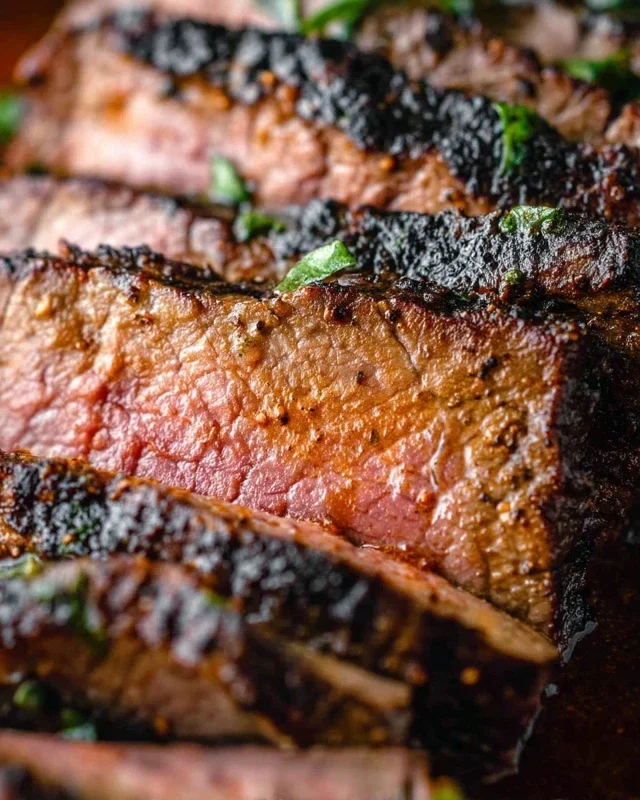
Tri Tip (2 Ways)
The tri-tip roast, also known as the Santa Maria steak, is a wonderfully flavorful and tender cut of beef that’s surprisingly versatile. It comes from the bottom sirloin of the cow, and its triangle shape gives it a unique texture profile – the “point” end is lean and can be cooked to a higher temperature, while the “flat” end is richer and benefits from a slightly rarer finish. Today, I’m going to show you two fantastic ways to prepare this gem: the classic grilled method, which is perfect for a summer barbecue, and a wonderfully simple oven-roasted technique, ideal for any day of the week. Both methods utilize a killer spice rub that really brings out the best in the beef.
Ingredients:
The All-Purpose Tri Tip Rub
Before we dive into cooking methods, let’s talk about this incredible rub. It’s a simple blend, but the combination of savory, salty, and a hint of sweetness is what makes it truly special. The garlic salt and garlic powder provide a robust allium punch, while the Lawry’s seasoning salt and kosher salt ensure perfect seasoning. The black pepper adds a subtle warmth, and the touch of sugar not only helps with caramelization during cooking but also balances out the saltiness. Finally, the parsley brings a fresh, herbaceous note that cuts through the richness of the beef.
To make the rub, simply combine all the dry ingredients – garlic salt, Lawry’s seasoning salt, kosher salt, black pepper, sugar, garlic powder, and parsley – in a small bowl. Give it a good stir to ensure everything is evenly distributed. Then, in a separate small bowl or even a measuring cup, whisk together the olive oil with about half of the dry spice rub. This creates a paste that will adhere beautifully to the tri-tip.
Method 1: The Classic Grilled Tri Tip
Grilling is arguably the most popular way to cook a tri-tip, and for good reason. It imparts a wonderful smoky flavor and creates a fantastic crust.
1. Prepare the Roast: Pat your tri-tip roast completely dry with paper towels. This is a crucial step for achieving a good sear. Then, generously rub the entire roast with the olive oil and spice paste you created. Make sure to get into all the nooks and crannies. Let the roast sit at room temperature for about 30-60 minutes while you prepare your grill. This allows the meat to cook more evenly.
2. Set Up Your Grill: For this method, we’re going to use a two-zone grilling system. This means you’ll have one side of your grill with direct heat (coals or burners on) and the other side with indirect heat (coals pushed to one side or burners off). Aim for a high heat on the direct side, around 450-500°F (230-260°C).
3. Sear and Cook: Place the tri-tip roast fat-side down on the hot, direct heat side of the grill. Sear for about 3-4 minutes per side, until you’ve developed a beautiful, dark crust. Once seared on all sides, move the roast to the indirect heat side of the grill. Close the lid and continue to cook.
4. Monitor Temperature: This is where the magic happens. We want to cook the tri-tip to your desired doneness. For medium-rare, aim for an internal temperature of 130-135°F (54-57°C). For medium, target 135-140°F (57-60°C). Use a reliable meat thermometer and insert it into the thickest part of the roast, avoiding any large pockets of fat. Because of the tri-tip’s unique shape, you might find the leaner end cooks slightly faster. Don’t be afraid to reposition the roast on the indirect side to ensure even cooking. This process can take anywhere from 15-30 minutes depending on your grill’s temperature and the thickness of the roast.
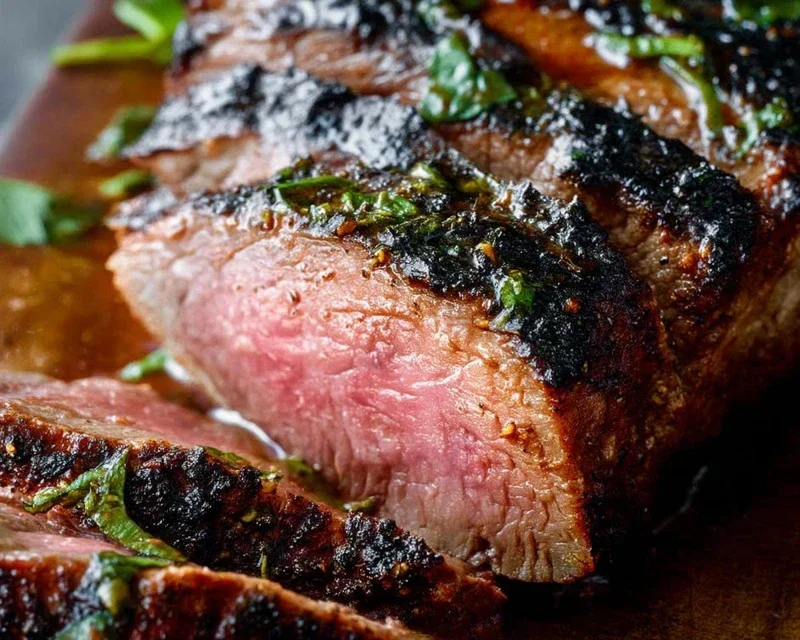
5. Rest and Slice: Once the tri-tip reaches your target temperature, remove it from the grill and place it on a cutting board. Tent it loosely with foil and let it rest for at least 10-15 minutes. This resting period is absolutely vital for juicy meat. It allows the juices to redistribute throughout the roast. After resting, slice the tri-tip against the grain. You’ll notice the grain runs in different directions on the roast, so it’s important to identify this and cut perpendicular to it for maximum tenderness.
Method 2: Oven-Roasted Tri Tip
This method is a lifesaver when the weather isn’t cooperating for grilling, or if you simply prefer the convenience of oven cooking. It still yields a wonderfully tender and flavorful result.
1. Prepare the Roast and Preheat Oven: Just like with grilling, pat your tri-tip roast thoroughly dry with paper towels. Rub it all over with the olive oil and spice paste, ensuring even coverage. Let it sit at room temperature for about 30 minutes. Preheat your oven to 450°F (230°C).
2. Sear in the Oven: Place the prepared tri-tip roast on a baking sheet or in a cast-iron skillet. Place it in the preheated oven. We’re going to sear it at this high temperature for about 10-15 minutes to develop a nice crust.
3. Lower Temperature and Continue Cooking: After the initial searing period, reduce the oven temperature to 325°F (160°C). Continue to cook the roast, using a meat thermometer to monitor the internal temperature. Again, for medium-rare, aim for 130-135°F (54-57°C), and for medium, 135-140°F (57-60°C). The cooking time in the oven will vary depending on the size and thickness of your roast, but generally, you’re looking at about 20-30 minutes per pound for medium-rare.
4. Resting is Key: Once the tri-tip reaches your desired internal temperature, remove it from the oven. Transfer it to a clean cutting board, tent it loosely with foil, and let it rest for a good 15-20 minutes. This resting period is just as, if not more, important in the oven method to retain moisture.
5. Slice and Serve: After the rest, identify the grain of the tri-tip and slice it thinly against the grain. This technique ensures that every bite is incredibly tender and succulent.
Both of these methods will give you a delicious tri-tip roast that’s sure to impress. Enjoy!
Conclusion:
So there you have it! Two fantastic ways to prepare a delicious Tri Tip that are sure to impress. This cut of beef is incredibly versatile and offers a wonderful balance of flavor and tenderness, making it a standout choice for any meal. Whether you prefer the smoky char of grilling or the savory depth of oven roasting, these recipes provide foolproof methods for achieving perfectly cooked Tri Tip every time. Don’t hesitate to try these out – you’ll be rewarded with mouthwatering results!
For serving, think classic steakhouse accompaniments like roasted potatoes, a crisp green salad, or grilled asparagus. You can also transform leftover Tri Tip into incredible sandwiches, tacos, or even a flavorful stir-fry. Don’t be afraid to experiment with marinades and rubs to further customize your Tri Tip experience. I truly encourage you to give these recipes a go; you won’t be disappointed by how easily you can create a restaurant-quality dish right at home.
Frequently Asked Questions:
Can I marinate the Tri Tip overnight?
Absolutely! Marinating the Tri Tip overnight is an excellent way to infuse it with even more flavor and tenderize it further. Just ensure it’s tightly wrapped or in a senon-alcoholic aled container in the refrigerator.
What’s the best internal temperature for Tri Tip?
For a medium-rare Tri Tip, aim for an internal temperature of 130-135°F (54-57°C). For medium, target 135-140°F (57-60°C). Always use a meat thermometer for accuracy, and remember the temperature will rise a few degrees as it rests.
Can I use a different cut of beef if I can’t find Tri Tip?
While Tri Tip is ideal, you could adapt these recipes for similar cuts like sirloin roast or even a thicker flank steak, adjusting cooking times as needed.
Tri Tip (2 Ways)
A versatile tri tip recipe with two distinct seasoning options for delicious results.
Ingredients
-
2 1/2 pound tri tip roast
-
1 1/2 teaspoons garlic salt
-
1 tablespoon Lawry’s seasoning salt
-
1 1/2 teaspoons kosher salt
-
1 teaspoon black pepper
-
1/2 teaspoon sugar
-
2 teaspoons garlic powder
-
1 tablespoon dried or fresh parsley
-
1/4 cup olive oil
Instructions
-
Step 1
Divide the tri tip roast into two equal halves. Pat both halves dry with paper towels. -
Step 2
For the first half, rub generously with garlic salt, half of the Lawry’s seasoning salt, half of the kosher salt, half of the black pepper, and half of the sugar. For the second half, rub generously with garlic powder, the remaining Lawry’s seasoning salt, the remaining kosher salt, the remaining black pepper, the remaining sugar, and the parsley. Drizzle both halves with half of the olive oil. -
Step 3
For oven-baked method: Preheat oven to 400°F (200°C). Sear both seasoned tri tip halves in a hot, oiled skillet for 2-3 minutes per side until browned. Transfer to a baking sheet and roast for 20-30 minutes, or until internal temperature reaches 130-135°F (54-57°C) for medium-rare. -
Step 4
For grilled method: Preheat grill to medium-high heat. Grill both seasoned tri tip halves for 10-15 minutes per side, or until internal temperature reaches 130-135°F (54-57°C) for medium-rare. Adjust grilling time based on your grill’s heat. -
Step 5
Remove both tri tip halves from the oven or grill and let rest for 10-15 minutes before slicing against the grain.
Important Information
Nutrition Facts (Per Serving)
It is important to consider this information as approximate and not to use it as definitive health advice.
Allergy Information
Please check ingredients for potential allergens and consult a health professional if in doubt.